|
Next Topic
Abdominal Pain
|
“When I got to school, my
stomach did a lot of back flips because of all of the
new foods. I miss my mom’s cooking.” |
John L., Notre Dame
University
|
The abdomen is the body
region between the lower ribs and the pelvis that contains many vital
organs: 
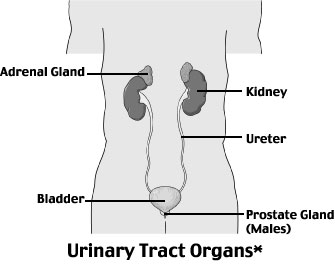
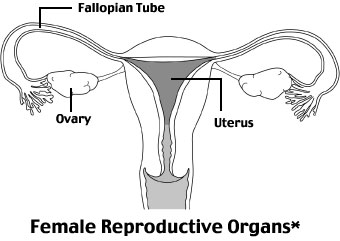
Abdominal pain can range from
mild to severe: be dull or sharp; acute or chronic. Acute pain is sudden
pain. Chronic pain can be constant or pain that recurs over time. The type
of pain, its location, and other symptoms that come with it help suggest the
cause.Signs, Symptoms & Causes
There are many causes of
abdominal pain. Common ones in students and
the symptoms that accompany them are listed
below.
Constipation
Constipation results from not drinking enough fluids, not eating
enough dietary fiber, not being active enough, and from misusing laxatives.
Symptoms of constipation are:
 |
A hard time passing stool, not being able
to pass stool, and/or having very hard stools |
|
|
Straining to have a bowel movement |
|
|
Abdominal swelling or feeling of continued
fullness after passing stool |
Gastroenteritis
Gastroenteritis is inflammation of the lining
of the stomach and intestines. Causes include having an intestinal virus,
food poisoning, and drinking contaminated water or too much alcohol.
Symptoms of gastroenteritis include:
|
|
Abdominal pain or
cramping |
|
|
Nausea and/or vomiting |
|
|
Diarrhea |
|
|
Fever and/or chills |
It may be hard to tell from
symptoms if you have an intestinal virus or food poisoning. Suspect food
poisoning if others who have eaten the same foods you did also have
symptoms.
Lactose Intolerance
Lactose intolerance results from a lack of an
enzyme (lactase) needed to digest the sugar (lactose) in dairy products.
Symptoms of lactose intolerance are:
|
|
Abdominal cramping, pain, and bloating
after drinking milk or eating other dairy products |
|
|
Gas and diarrhea |
Menstrual Cramps in Females
Hormones cause the uterus to go into spasms.
Premenstrual bloating increases the abdominal pain. Symptoms of menstrual
cramps are:
|
|
Mild to severe
abdominal pain |
|
|
Back pain, fatigue,
and/or diarrhea |
Peptic Ulcer
A peptic ulcer is an ulcer in the stomach or
first section of the small intestine. Symptoms include:
|
|
A gnawing or burning
pain between the breastbone and navel. This is the most common symptom.
The pain often occurs between meals and in the morning. It may last from
a few minutes to a few hours and may be relieved with eating or
antacids. |
|
|
Loss of appetite and
weight loss |
|
|
Nausea or vomiting
dark, red blood or material that looks like coffee grounds |
|
|
Bloody, black, or tarry
stools |
The 2 most common factors associated with peptic ulcers are:
|
|
An infection with
Helicobacter pylori (H. pylori) bacteria. |
|
|
The repeated use of aspirin
and other nonsteroidal anti-inflammatory drugs (NSAIDs), such as
over-the-counter and prescribed ibuprofen. |
|
|
Peptic ulcers are not caused
by stress, but stress can aggravate them. (See “Stress”.) |
Treatment
Treatment depends on the cause. The key is knowing when it’s just a minor
problem like a mild stomach ache or when it’s something worse. Pain that
persists can be a sign of a medical condition or illness. Very severe
abdominal pain usually requires immediate medical care.Questions to Ask
Self-Care/Prevention
To Help Ease Pain in General:
|
|
Place a hot water bottle or a
heating pad, set on low, over the area of
pain. |
|
|
Find a comfortable position.
Relax. |
|
|
Take an over-the-counter
medicine for pain that does not cause stomach
upset. (See “OTC Medications”)
|
|
|
Don’t wear tight-fitting
clothes. |
|
|
Don’t do strenuous exercise. |
|
|
Eat foods as tolerated. |
For Constipation:
Eat foods high in fiber:
Bran; whole-grain breads and cereals; and fresh fruits
and vegetables.
|
|
Drink at least 11/2
to 2 quarts of water and other liquids every day. Hot water, tea, or
coffee may help stimulate the bowel. |
|
|
Get plenty of exercise. |
|
|
Don’t resist the urge to have
a bowel movement. |
|
|
Antacids and iron supplements
can be binding.
If you get constipated easily,
discuss the use of these with your provider. |
|
|
Don’t use “stimulant”
laxatives, such as Ex-Lax, or enemas without your
provider’s okay.
Long-term use of them can
make you even more constipated and lead to
a mineral imbalance and reduced
nutrient absorption. If needed, take an
over-the-counter bulk-forming laxative, such as Metamucil.
|
For Food Poisoning:
To prevent food poisoning:
|
|
Wash your hands and food
preparation surfaces and utensils,
especially after handling raw meat and eggs. |
|
|
Cook foods to a safe
temperature. Follow product and/or recipe
directions. |
|
|
Refrigerate perishable
foods promptly. These include milk, cheese, meat,
poultry, eggs, and fish. Refrigerate leftovers,
and use them within 3 to 4 days. |
|
|
Hot foods should be kept at
or above 140 degrees Fahrenheit.
Cold foods should be kept at
or below 40 degrees Fahrenheit.
Carry items in a thermos or
with a cold pack, if necessary. |
|
|
When in doubt, throw it
out. |
When you have food poisoning,
follow self-care measures in “Vomiting &
Nausea”.
For Lactose Intolerance:
See “Self-Care for Lactose
Intolerance”.
For Menstrual Cramps:
|
|
Take an over-the-counter
medicine for menstrual cramps. (See “OTC
Medications” regarding "Menstrual cramps") |
|
|
Drink hot tea, (regular,
chamomile, or mint). |
|
|
Hold a heating pad or hot water bottle on your abdomen or lower back. |
|
|
Take a warm bath. |
|
|
Gently massage your abdomen.
|
|
|
Do mild exercises, such as
yoga and walking. |
|
|
When you can, lie on your
back and support your knees with a pillow. |
|
|
Rest. Avoid stress as your
period approaches. |
{Note: If you get stomach
aches due to stress, see “Stress” for information on how to deal
with it.} |